
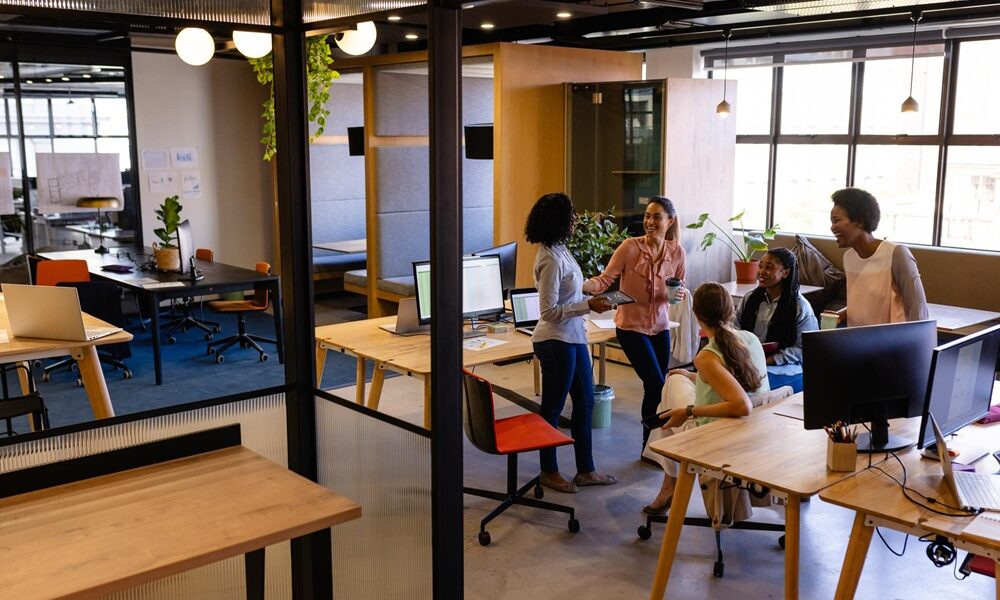
Custom workspaces are no longer luxuries reserved for only the biggest corporations. With growing demand for identity, efficiency, and long‑term ROI, many companies are turning to build‑to‑suit (BTS) developments — projects designed, built, and leased specifically to their operational needs. But before diving in, it’s crucial to understand what this approach demands, what it delivers, and whether it fits your business strategy.
What Does “Build‑to‑Suit” Mean?
A build‑to‑suit workspace is a leasing or development model in which a developer or landlord constructs an office property tailored to a tenant’s precise specifications — layout, technical infrastructure, branding, sustainability features, amenities, ceiling height, façade design, etc. The result: a workspace that aligns with your workflows, culture, and long‑term scalability, rather than adapting an existing shell space.
Key characteristics include:
- Customization from ground up — not just interior finishes, but structural elements when needed
- Longer lead times — due to design, regulatory, approvals, construction & fit‑out
- Strategic lease agreements — often longer‑term, to amortize cost of customization and ensure stability
Why Consider Build‑to‑Suit?
To decide if BTS is right for your business, here are the main benefits to weigh against costs:
1. Operational Efficiency & Fit
When your workspace is built with your processes in mind, you save on retrofitting, avoid mismatches, and typically gain efficiency in workflows, space utilization, energy consumption, and employee satisfaction. This can reduce long‑term operational costs significantly. The rising demand for built‑to‑suit arises because generic inventory often falls short in meeting infrastructure, layout, or sustainability prerequisites.
2. Branding, Culture & Employee Experience
A custom office allows full control over ambience, aesthetics, amenities, and layout. If your brand identity, employee retention, or recruitment depends on the environment (e.g. open space, natural light, collaborative zones, wellness areas), BTS lets you embed these elements in the design from day one.
3. Long‑Term Investment & Stability
Though upfront investment is higher (design, approvals, construction), BTS leases are structured to capture long‑term value: stable rents, less competition risk, and alignment of space cost with your strategic growth. Also, in markets with a shortage of premium Grade A+ inventory, companies engaging in BTS get priority access rather than settling for sub‑optimal existing stock.
4. Reduced Retrofits and Regulatory Risks
You can anticipate and build in regulatory compliance, sustainability norms, safety measures, technical infrastructure, etc., in advance. This reduces risk of delays and cost overruns from trying to upgrade standard spaces later.
What Are the Trade‑Offs?
BTS delivers big rewards – provided you plan carefully. Here are the disadvantages and challenges to consider:
- Longer lead times: The process from brief → design → permits → construction → fit‑out can take many months, often 9‑24 months depending on geography and complexity. You must plan for this buffer.
- Higher initial financial commitment: Even if you don’t bear all the upfront CapEx (sometimes developer takes it on), you will typically commit to longer lease terms to amortize the investment.
- Commitment to location & scale: Once built, you are less flexible to scale down, relocate, or adapt drastically without significant expense.
- Developer risk: Quality, reputation, ability to deliver on time, ability to meet design & technical specs, regulatory compliance, etc., are critical. Poor execution can nullify the benefits.
Timeline & Cost Components
Understanding the major cost drivers and duration phases is essential for realistic planning and budgeting. Here’s a typical build‑to‑suit path:
On cost, build‑to‑suit spaces can run 30‑50% higher per square foot or per usable unit cost than shell & core or existing Grade A stock, depending on how customized the solution is. But this premium is often offset over years through operational savings, minimized retrofits, and improved productivity.
Market Context: India & Delhi NCR / Gurgaon
To assess feasibility, you need to understand local market conditions and what others are doing in Delhi NCR and Gurgaon. Some relevant trends:
- India has a shortage of premium Grade A+ office space in major metros, including Delhi NCR. This gap is fueling BTS demand for large‑scale, highly specified offices.
- Developers are more willing now to commit land, capacity, and approvals, especially in Gurgaon, where demand from corporates, tech firms, and R&D operations is high.
- Some providers now offer managed or semi‑managed build‑to‑suit properties with faster turnarounds (e.g., 60 days for certain types of managed floors once interiors are standardized). This helps reduce lead time for businesses that still want customization but with speed.
Is Build‑to‑Suit Right for Your Business?
Here are some decision criteria to guide whether you should pursue a BTS solution:
- Does your business have stable long‑term growth projections?
If you’re expecting major scaling or firming of headcount over 3‑5 years, BTS makes more sense. If you’re highly uncertain, you might be exposing yourself to inflexible costs. - Can you endure longer development timelines?
If speed‑to‑market is critical, you may need a hybrid approach: maybe initially lease an existing Grade A space, then move to BTS when you have clarity and resources. - Do you require specialized infrastructure or layout?
When your operations need labs, high ceilings, clean rooms, high power loads, heavy data / tech rigging, or special safety or green building requirements — typical stock offerings may fall short. - How important is branding, employee experience, and culture?
If these are core to your talent acquisition or customer perception, investing in space that reflects your values can yield returns in employee satisfaction and external reputation. - Financial metrics & ROI expectations
Calculate total lifecycle cost: lease + fit‑out + energy + maintenance + potential obsolescence. Compare that to paying a premium up front to get exactly what you need. Sometimes BTS is cost‑effective over 5‑10 years.
Scenarios & Examples
To make this concrete:
- A persistent tech company with R&D wings needs high ceilings, raised flooring, heavy cooling, strong power backup, and custom lab spaces. Going for a BTS project in Gurgaon allows them to build these spec items from the outset.
- A finance or consulting firm wanting a flagship office with a distinctive lobby, branded façade, wellness spaces, executive floors, etc., uses BTS to deliver both functionality and brand identity without compromises.
- Hybrid models: A company moves into existing space while their custom build is underway. Once BTS is ready, they transition, thus balancing the need for speed and the strategic benefits of customization.
How to Engage & Procure Build‑to‑Suit
If you decide to go down the BTS route, here’s how to approach it efficiently:
- Hire or involve a specialist leasing / development advisory from the early stage to help frame program, financial modelling, negotiate with developers/contractors.
- Site and developer selection: Evaluate developer credibility, delivery history, construction quality, prior BTS projects. For example, in markets like Gurgaon, look for developers who understand clearances, approvals and have supply of prime land.
- Define the brief tightly: What are the non‑negotiables (ceiling height, power density, green standards, façade branding, etc.) vs what can be flexible?
- Get realistic schedules & buffers built in: delays in approvals or construction are common. Ensure penalties or performance guarantees in your agreements where possible.
- Design for future flexibility: Even in a bespoke build, allow for modularity, ability to reconfigure, scale usage, upgrade systems.
- Lease negotiation: Given higher investment, negotiate longer term leases, favorable escalation clauses, rights to expand or sub‑lease, and clear obligations on maintenance or deviations.
Strategic Benefits Beyond Fit & Finish
When done well, build‑to‑suit offers strategic advantages beyond immediate workspace needs:
- Financial Predictability: Stable rent, lower risk of surprise retrofit or maintenance costs.
- Tax and Accounting Considerations: Depending on finance structure and jurisdiction, some of the cost components (e.g. fit‑out, capitalization, etc.) may have favorable treatments.
- Sustainability & ESG: If you want energy efficiency, green building certifications, or reduced carbon footprint, designing with those in mind from the start is more cost‑effective.
- Attraction & Retention: Custom spaces often enhance employee morale, reduce turnover, and help attract premium talent who value a workspace environment.
Conclusion
Build‑to‑suit is a powerful option for businesses that have clarity in direction, strong growth trajectories, and specific infrastructure or branding requirements. While it demands greater commitment — in time, planning, and sometimes capital — the returns can be substantial: operational efficiency, brand alignment, employee satisfaction, and long‑term cost savings.
If your business fits the profile — with solid forecasted growth, need for bespoke facility features, and willingness to invest upfront for long‑term gain — then engaging with commercial leasing representation services in Gurgaon or broader commercial office leasing advisory in Delhi NCR can map out the optimal path.
Connect with Real Property to explore tailored office development solutions backed by deep local expertise and end‑to‑end support. Whether you’re considering corporate leasing transactions services in India or seeking investment advisory for office leasing in Delhi NCR, our team ensures your build‑to‑suit strategy is aligned with your business vision.
By planning right and partnering smart, your next office space won’t just support operations — it will help power your next stage of growth.